A bug out bag, also popularly known as BOB is essentially a portable gear containing supplies that could last for 72 hours in an emergency or a disaster situation. Other familiar name for a bug out bag includes go bag, quick run bag, INCH (I'm Never Coming Home) bag, GOOD (Get Out of Dodge) bag, personal emergency relocation kit or PERK in short, 72-hour kit or battle box.
So What Is A Bug Out Bag?
Bug out bags are really, backpacks or portable sacks that are filled with essential items one needs to survive a disaster for 72 hours, at least. A bag out bag is basically a survival kit filled with emergency supplies and tools you will need in an emergency scenario.
The name, “bug out bag” is belief to have been originated from the emergency kit known as a “bail out bag” carried by military aviators. “Bugging out” also means an individual’s intention to leave home due to an unforeseen disaster or emergency situation. So, naturally a bag (any bag for that matter) that is used to store essential survival supplies during a “bug out” would be called a bug out bag or go bag.
What Is The Purpose Of Having A Bug Out Bag?
So that you can get out of a disaster as quickly as you can, knowing you have bug out supplies that would last you for at least 72 hours!
Every year, thousands are left homeless due to natural or man-made disasters. You have got to be ready at all times. Preparedness is key here, but you will be surprised to know that 48% of Americans are not survival ready. That’s right, almost half the country’s population could potentially be whipped out on the next disaster strike.
Think about it...
A bug out bag checklist should be your first priority in getting all your essential bug out supplies in place. We have done substantial research on tools, emergency rations; materials and survival gear that will help improve your bug-out survival chances.
It goes without saying; a bug out bag checklist varies with individuals and different disaster situations, nevertheless, they will fall within these 11 key items highlighted below:
-
Water
-
Food
-
Air
-
Shelter
-
First Aid Kit
-
Clothing
-
Multipurpose Tools
-
Lighting
-
Heat
-
Defence
-
Navigation Tools
Now, take your time to run through the categories below to decide items that are critical to have for your situation. As you run through the list, it is important to bear in mind the main idea of a bug-out bag is its ease of transport. With that as key, you would limit to only essentials that are absolutely critical to your survival.
Bug Out Bag Checklist
1. Water
The first thing to keep in mind when it comes to water is, you can only last for 3 days without it in general. Hence, water is one of the most, if not the most important supply that you must have in your bug-out checklist. There are 2 main sources of emergency water that you can rely on:
- Water pouches: Also known as water packets, come in packets filled with fresh drinking water. They are properly sealed and protected from contamination.
- Portable water filtration kit: This is a must have in your go bag. With a portable water filter, you can practically drink water out of the swamp and it’s easy to carry around. You can also opt to use water purification tablets as a backup.
2. Food
You would need food to last for at least 3 days, remember the 72-hour rule?
Emergency rations: Is what you need and choose rations that are easy to prepare and easy to carry. They must also meet our; weight, size, preparation, servings, calories and shelf life criteria that we have discussed earlier.
The goal here is to achieve about 2000 calories worth of food per person a day for 72 hours. Canned food is not a good idea for bug out bags as they add on quite significant weight and a bad idea for bugging out.
3. Air
Do you know that you can only survive for 3 minutes without air? Anything more than 4 minutes and you would have suffered brain damage even if the doctor revives you!
Air Mask: It is important to have a good air mask ready and one that filters out particulates. Again, depending on the emergency you are in, this could be your only access to clean breathable oxygen.
4. Shelter
You will need a shelter to rest your body or to keep your family warm at least, after a bug out. This could be in the form of:
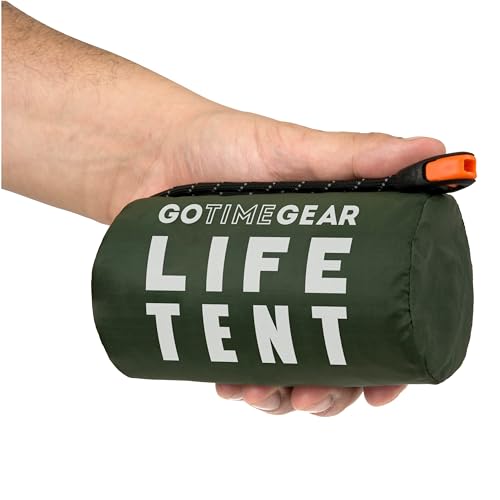
- A Tent: Waterproof survival tents made of Mylar to be precise. Mylar has a good property in repelling water and retaining heat, hence a good option to be added in your bug out bag checklist.
- Space blankets: This is my favourite choice by the way, mainly due to the fact that they are feather light and very effective in heat retention and keeping you dry as well. To me this is a must have in your checklist.
- Thick plastic or oilcloth: Oilcloth tarpaulins or thick plastic will help to keep moisture from the ground out of bedding. They can also be used to build a tarp tent to shelter from rain.
5. First Aid Kit
It goes without saying that a properly stocked, first aid kit could save your life when disaster strikes. Make sure you have these in your kit:
- Antiseptic Wipes: This is to keep bacterial infections at bay. The smallest cut can cause you your life with a bacterial infection, so, always include these in your bug out bag.
- Sterile Gauze Pads: Treat open wounds with gauze pads to keep clean.
- Disposable PVC Gloves: Or medical gloves help to prevent contamination while you are treating the wounded.
- Painkillers: Will come in handy for relieving pain temporarily. Aspirin and Ibuprofen are two good examples.
- Multi-size Bandages: Keep cuts and wounds covered with bandages to prevent infections.
- Antibiotic Ointment: Typically provides pain relief and healing.
- First Aid Guide: Have this handy, as this will provide instructions where instructive care is required. This includes a guide on how to perform CPR and basic injury aid.
- Sling: A sling is used to immobilize or support part or parts of the body that is injured.
- Burn gel: This is critical for burn injuries and provides the required relief.
- Sunscreen: In instances where you need to be under the sun without shelter or shade, a sunscreen can help to prevent sunburns.
Other important items include safety pins, forceps, medical tapes, scissors, sting relief pads, CPR mask, Trauma shears, instant ice pack, tourniquet and triangular bandage.
6. Clothing
Proper change of clothes and clothing (socks, underwear, base layer) to keep warm when the temperature drops at night, is important in keeping you a life. Waterproof windbreakers, cold weather gloves, boots, rain poncho and a head gear will come in really handy to keep your body warm.
The clothes on your back could be the thing to save you in a survival situation. Make sure you have access to the following items in your bug out bag.
7. Multipurpose Tools
Multipurpose Survival Tool: Like the Leatherman Wingman Multi Tool, is an ideal survival tool to have in your bug out bag. It’s light weight and compact design makes it really portable and easy to use.
- Multipurpose Shovel: A good example will be the Heavy-Duty Folding Survival Shovel with Pick. It’s made with durable material that can handle just about anything you throw at it; whether its prying, chopping or digging are dealt with at ease. The folding design makes it super convenient to be stored in your out bag.
- Survival Axe: Can be used to prepare firewood or shelter and it can also double as weapon for self-defence.
- Paracord: Can be worn on your wrist like a bracelet and it can also be used for hunting, fishing, secure shelter and even climbing.
- Duct Tape: I like the saying. “If it’s not working, it’s because you’re not using enough duct tape”. They are widely used for emergency repairs on tents, clothing, bags, gears you name it. The list goes on and a must have bug-out essential.
8. Lighting
- Tactical Flashlight: This should be compact, long battery life, bright, waterproof and durable.
- Chemical Lights: A standard chem light can last for 12 hours and is visible from one mile away. The main advantage is, they have long shelf lives which make them great additions to your checklist.
- Headlamp: Is also a good addition for hands-free illumination.
9. Heat
- Hand and Feet Warmers: Are really effective in keeping you warm. Easy to carry, you can snuck them into your shoes to keep your feet warm, armpit or just squeeze them in your hands to keep them warm.
- Fire-starters: Fire will not only keep you warm, but you also need it to cook food. A fire-starter is always my first choice for source of fire. They are reliable and work even when wet.
10. Defence
- Survival Knife and Axe: A good survival knife would come in handy to set up traps and for use to prepare food gathered from the surroundings in desperate times. It can also double as a weapon for self-defence if need be.
- Pepper Spray: Is light, easy to carry and very effective in keeping animals and attackers at bay.
11. Navigation Tools
- GPS Navigation System: You can access to them from your mobile, smart watches or dedicated GPS devices, they cost more but are easy to use with a less steep learning curve but always have your compass and map as a backup.
- Compass: This is the very basic navigation tool there is, but it’s useless if you do not know how to use them with a map. Learn to use them to take you and your family to safety. Cell towers may be destroyed in a major disaster and GPS apps do not work; the compass becomes your most reliable navigation tool.
Other BOB Essentials
1. Medicine & Multivitamins
Make sure there is enough supply of your personal medications and daily supplements to last for at least 72 hours.
2. Charging Device
Always have charging devices charged and ready for use when you need them for your smart phone, GPS navigation system, flashlights and other survival gears.
3. Whistle
A sharp sound from a whistle travel farther than a human call or shout for help, thus is more effective when alerting for help. More importantly it’s a mechanical device and does not need electrical power to work.
4. Sewing Kit
This may not be a top bug out bag essential, but they are very useful for repairing torn clothes, blankets and the sort. After all, a simple sewing kit weighs next to nothing and do not take up much space at all.
5. Copies of Personal Documents
Make copies of your personal identification card, passport, titles for your vehicles, insurance policy, loan agreement, medical records and emergency contact list. You never know when you will need them.
6. Emergency Cash
It’s a good idea to keep some cash, small bills of $200-$400 in your bug out bag for emergency purposes, in case you need to pay for help or services.
7. A Small Mirror
In case you need to flag for help and all your lighting sources are not functioning anymore.
8. Hand Sanitizer
A great way to keep your hands clean and maintain good hygiene.
9. Family Emergency Preparedness Plan
Do you have an emergency plan prepared for your family? You will be surprised to know that 39% out of the people surveyed, do not have one. Now is a good chance to have one done.
10. Fire Starting Kit
A reliable fire-starting kit should contain a waterproof tinder that ignites even fully submerged under water, ferrocerium and multiple ignition sources.
Qualities of A Good Bug Out Bag
Ok...you’ve got the essentials ready, now you’ve got to find a bug out bag that can handle your entire bug out supplies. Here are the qualities to be met:
- Durable and tough material
- Water resistant
- Airtight built
- Multiple compartments and pockets
- Roll top design for extra storage space
- Padded straps
Your Essential Bug Out Bag Checklist
| Category | Essential Items | Weight |
| Food | MREs, freeze dried food, energy bar | 3-4 lbs |
| Water | Portable water filter, sealed water, purification tablets | 6-8 lbs |
| Shelter | Tent, space blankets, oilcloth | 2-3 lbs |
| First Aid | First aid kit, prescriptions | 2-2 lbs |
| Clothing | Gloves, boots, change of clothing, warm layer | 4-6 lbs |
| Document copies | IDs, insurance, cash, medical record | 1 lbs |
| Navigation | Compass, paper maps, GPS devices, NOAA radio | 2-4 lbs |
| Tools | Lighting, duct tape, multi-tool, fire kit, self-defence | 2-3 lbs |
The ideal weight for a go bag should be 10% to 20% of your body weight, this is the comfortable ratio for most people over long distance carry.
Check out our recommended professionally packed and ready-to-go backpack that makes disaster preparedness easy in a simple portable package. We have also included a budget go bag option for you to have a look at.
Maintaining Your Bug Out Bag
Check all your essential for expiration every 3 months, this includes food, medications, water & purification tablets. The idea is to replace expiring items within 30 days. Also test batteries in flashlights, GPS devices and headlamps in the same interval. Charge or replace batteries in them where applicable.
Swap clothing for every season change and replenish items used or consumed after an emergency, camping trip or drill. Remember to update your go bag when there’s new addition to the family.
Editor's Note: This article was originally published on SurvivalPreppersToday a couple of years ago and has been restored for our readers. The content has been reviewed and updated where necessary to improve its accuracy, relevance, and usefulness.